Optimizing Port Clearance for Life-Saving Therapeutics
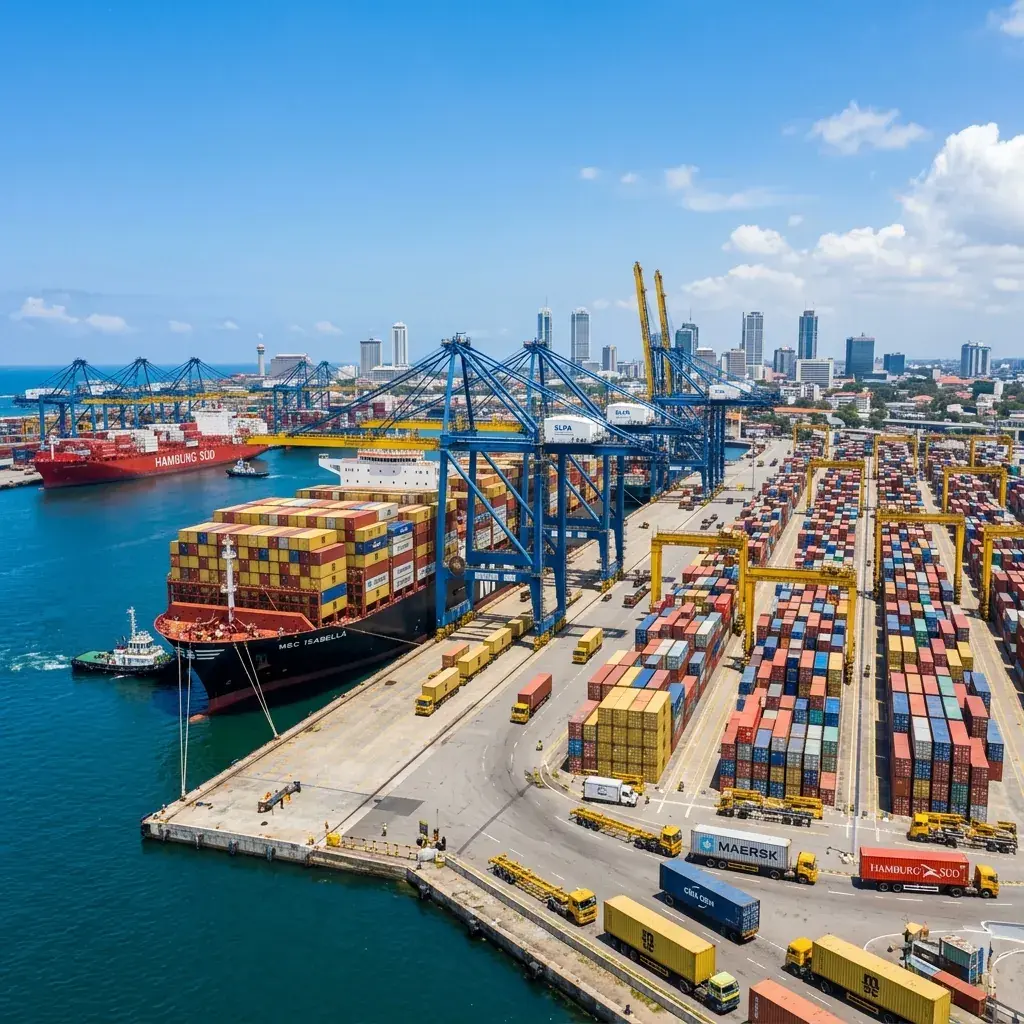
When importing life-saving pharmaceuticals and temperature-sensitive biologicals, time is of the essence. Delays at the port of entry can lead to temperature excursions, damaging cargo value and disrupting local distribution. Optimizing port clearance is a core operational priority.
1. The Clearance Bottleneck
Seaports and airports are busy environments with complex customs and compliance checks. For standard cargo, a delay of a few days is a minor inconvenience. For a vaccine batch, it is a critical threat.
Clearing agents must manage multiple documents, coordinating with customs officers, port authorities, and food and drug inspectors to secure clearance before container temperatures fluctuate.
2. Key Tactics for Fast-Track Clearance
Excellence in port clearance relies on preparation and proactive coordination. Successful logistics operations implement the following workflows:
- •Pre-clearance documentation: Submitting customs declarations and NMRA import clearances before the vessel lands.
- •Coordination with cold-room terminals: Ensuring reefers are plugged into port power outlets immediately after unloading.
- •Pre-scheduled customs examinations: Arranging for inspectors to evaluate pharmaceutical containers on a priority basis.
3. Seamless Airport Transport Channels
For highly urgent or ultra-sensitive cargos, airport clearance at Bandaranaike International Airport is prioritized. Cargo is offloaded, inspected in climate-controlled airport warehouse bays, and loaded directly into our refrigerated vans within hours of landing.
Conclusion
By establishing dedicated clearance agents and coordinating closely with port cold-storage terminals, Imperial Life Sciences ensures imported pharmaceuticals are cleared swiftly and safely.
Secure Sri Lankan Distribution
Connect with our Colombo office to consult on NMRA guidelines, port clearance logistics, and GDP warehousing setups.